The champions
Lives of the champions
Who they were, how they played, and positions from their games to solve.
-
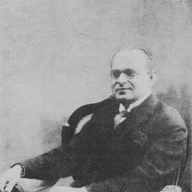 Aaron Nimzowitsch
The theorist of the hypermoderns, and the man of the immortal zugzwang game. Positions from his games, to solve.
-
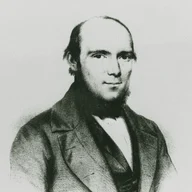 Adolf Anderssen
He won the great London tournament of 1851 and played the Immortal and the Evergreen Game, a mathematics professor who played in the school holidays. Positions from his games, to solve.
-
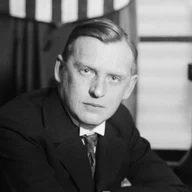 Alexander Alekhine
Fourth world champion, and the only one who died while still holding the title. Positions from his games, to solve.
-
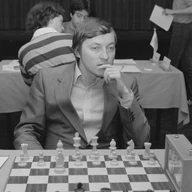 Anatoly Karpov
Twelfth world champion, and the player with more tournament first places than anyone in history. Positions from his games, to solve.
-
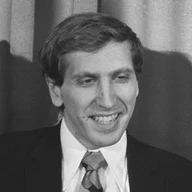 Bobby Fischer
World champion from 1972 to 1975. In 1971 he won twelve consecutive games against two of the strongest players in the world.
-
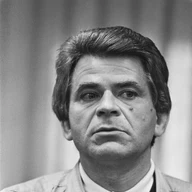 Boris Spassky
World champion between Petrosian and Fischer, and the man who applauded the player who took his title. Positions from his games, to solve.
-
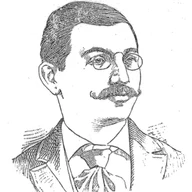 Emanuel Lasker
Twenty-seven years world champion, longer than anyone else, and a mathematician: the Lasker-Noether theorem carries his name. Positions from his games, to solve.
-
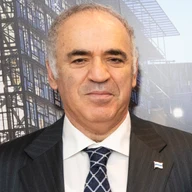 Garry Kasparov
World champion from 1985 to 2000. His 2851 of 1999 remained the highest rating ever reached until 2013.
-
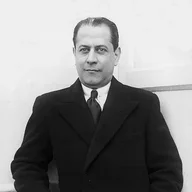 José Raúl Capablanca
World champion from 1921 to 1927. Between 1916 and 1924 he played sixty-three games without losing one.
-
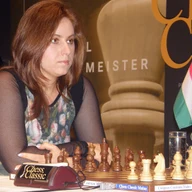 Judit Polgár
The only woman ever ranked in the world top ten, and the first to beat the reigning number one. Positions from her games, to solve.
-
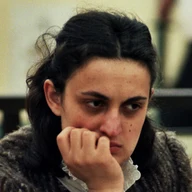 Maia Chiburdanidze
Women's world champion at seventeen, and for thirteen years. Positions from her games, to solve.
-
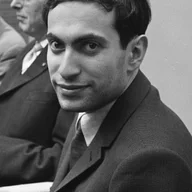 Mikhail Tal
World champion in 1960, the most feared attacking player of his time. Positions from his games, to solve.
-
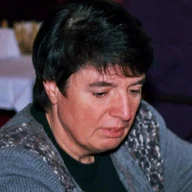 Nona Gaprindashvili
Sixteen years women's world champion, and the first woman Grandmaster. Positions from her games, to solve.
-
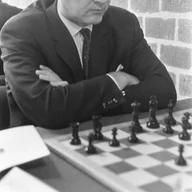 Paul Keres
The eternal second: four times runner-up in the Candidates, never world champion, and nine world champions beaten. Positions from his games, to solve.
-
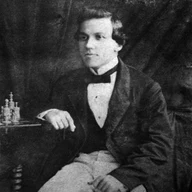 Paul Morphy
In two years he beat the best players in Europe, then stopped at twenty-two. Positions from his games, to solve.
-
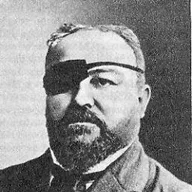 Richard Teichmann
They called him “Richard the Fifth” for how often he came fifth. Then, at Carlsbad in 1911, he came first.
-
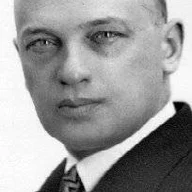 Savielly Tartakower
Grandmaster in 1950, the first year the title existed. French champion at sixty-six.
-
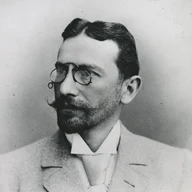 Siegbert Tarrasch
Praeceptor Germaniae: the doctor from Nuremberg who taught Germany chess. Positions from his games, to solve.
-
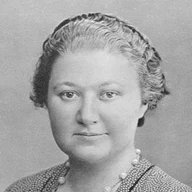 Vera Menchik
The first women's world champion in history, and the one who held the title longest. Positions from her games, to solve.
-
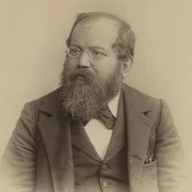 Wilhelm Steinitz
The first world champion: a ferocious attacker as a young man, then the man who invented positional chess. Positions from his games, to solve.
-
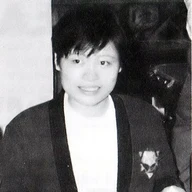 Xie Jun
The first non-European women's world champion, who came from xiangqi. Positions from her games, to solve.